

Focaccia
The queen of breakfast
Focaccia is not bread. It's not pizza. It's something entirely its own — a golden, dimpled sheet of dough that's soft and chewy on the inside, slightly crisp on the bottom, and glistening with olive oil on top. In Genova, it's sacred.
We eat focaccia for breakfast (dipped in caffè latte), as a mid-morning snack, as a quick lunch, and as an aperitivo companion. It's sold everywhere — in bakeries, at street corners, in grocery stores. But not all focaccia is equal. The difference between good focaccia and transcendent focaccia is enormous.
What makes the best focaccia? First, the olive oil — it should be Ligurian extra virgin, fruity and golden. Second, the dough needs time. A proper focaccia takes hours of slow rising, which creates those beautiful air pockets inside. Third, the salt — coarse sea salt crystals pressed into the top before baking.
The classic is focaccia bianca — just oil and salt. But there are variations: focaccia con le cipolle (with sweet onions), focaccia con il rosmarino (with rosemary), focaccia con le olive (with taggiasca olives), and the seasonal focaccia con l'uva (with wine grapes, in autumn).
Where to eat it: our favourite is Le Delizie di Castelletto, right on our square. Around the city, other well-loved ovens are Antico Forno Patrone (in Ravecca, baking since 1920), Panificio Mario (Via San Vincenzo, family-run since 1969), Antica Sciamadda (Via San Giorgio, a traditional fry-shop) and Focacceria Genovese (Piazza Fossatello, in the caruggi). Buy it warm, eat it with your hands, walk while you eat. That's the Genovese way.
When I was a child, my grandmother would buy a sheet of focaccia from the forno downstairs and we'd eat it sitting on the doorstep, still warm. That memory is baked into my DNA.
— Margherita's mom
Useful info
Discover more in
Mangia Genovese
Focaccia
The queen of breakfast
Not bread. Not pizza. Something holier.

Pesto al Mortaio
Mortar, not blender
If it's bright green, it's not real pesto.
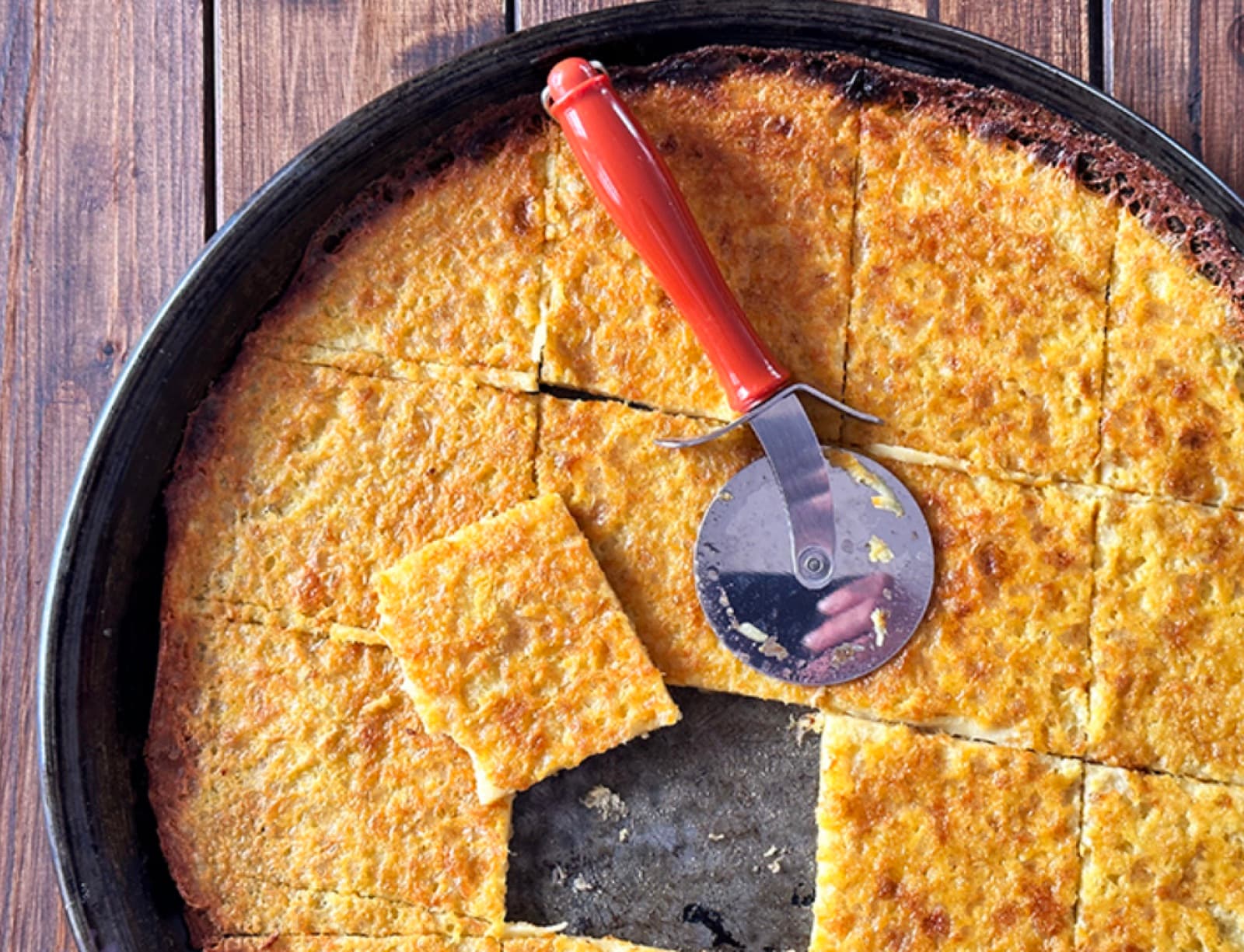
Farinata
Chickpea & fire
Chickpea flatbread. Eat it standing at the counter.

Pansoti
Wild herbs, walnut sauce
Wild herb ravioli in walnut sauce. The taste of the hills.
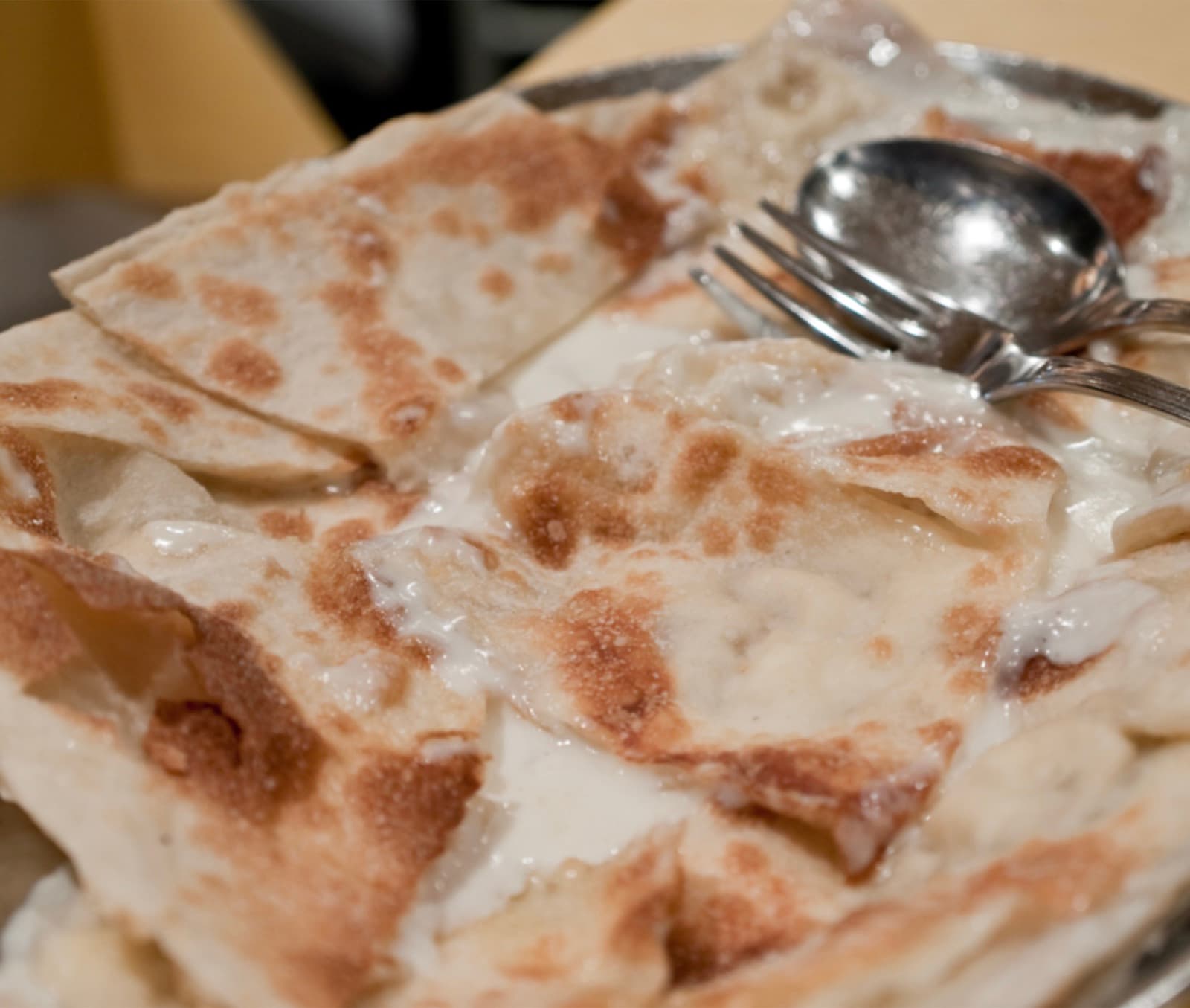
Focaccia col Formaggio
From Recco, with cheese
Paper-thin dough, melted stracchino. From Recco. Worth every calorie.
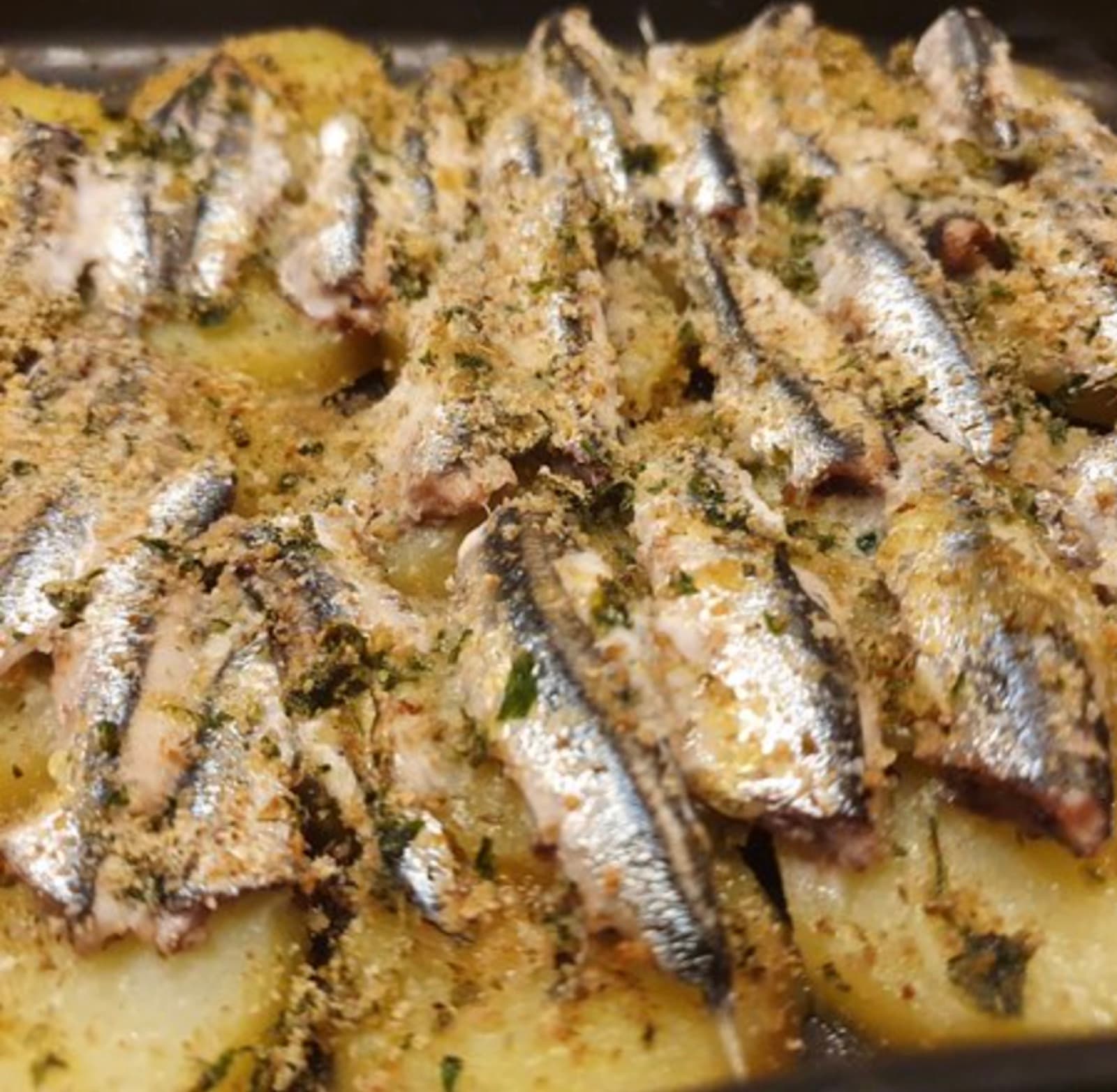
Ligurian Anchovies
Not what you think
Not what you think. Delicate, lemony, and sweet.
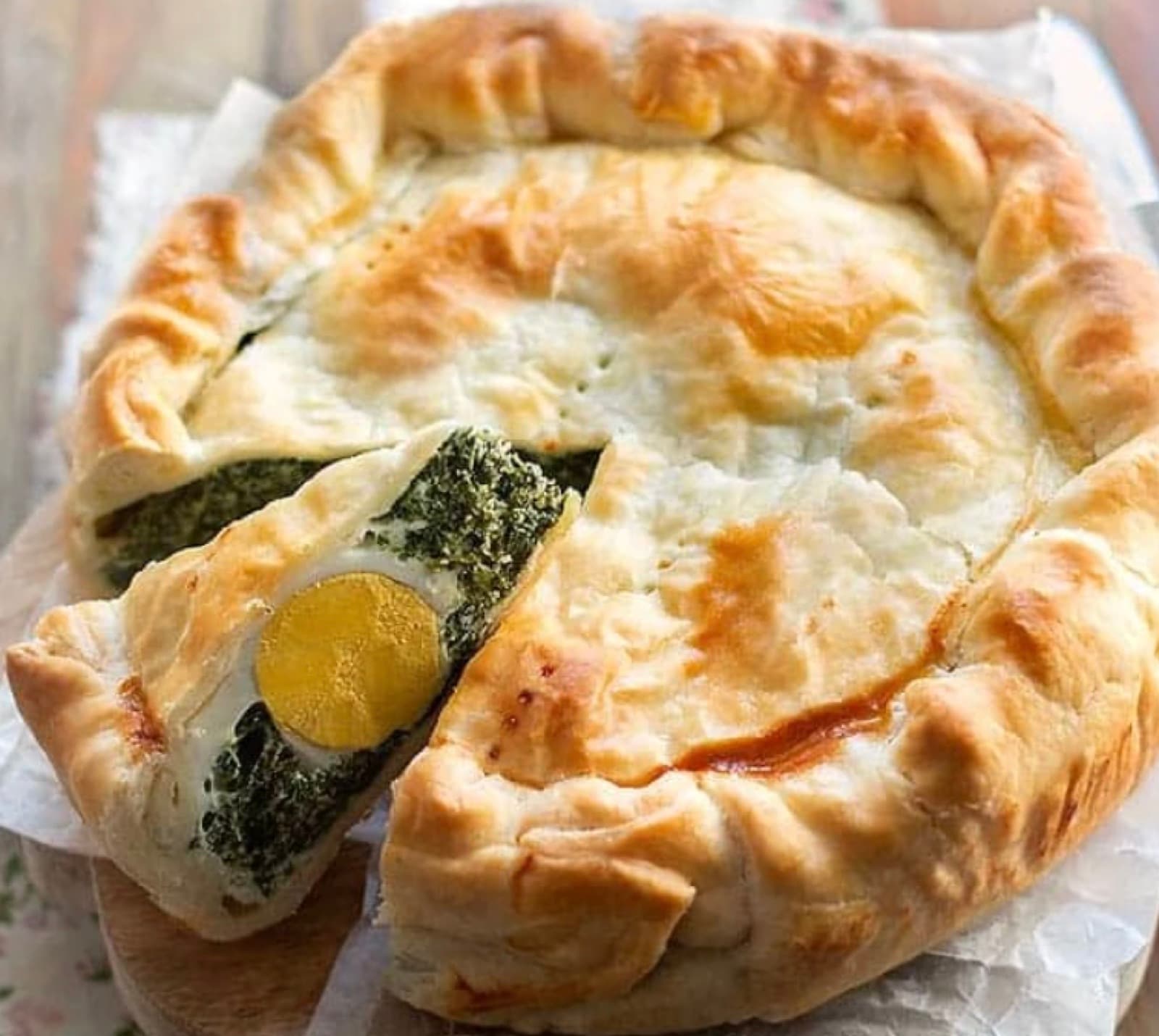
Torta Pasqualina
Thin layers, whole eggs
33 layers of pastry. Artichokes, eggs, ricotta. Divine.
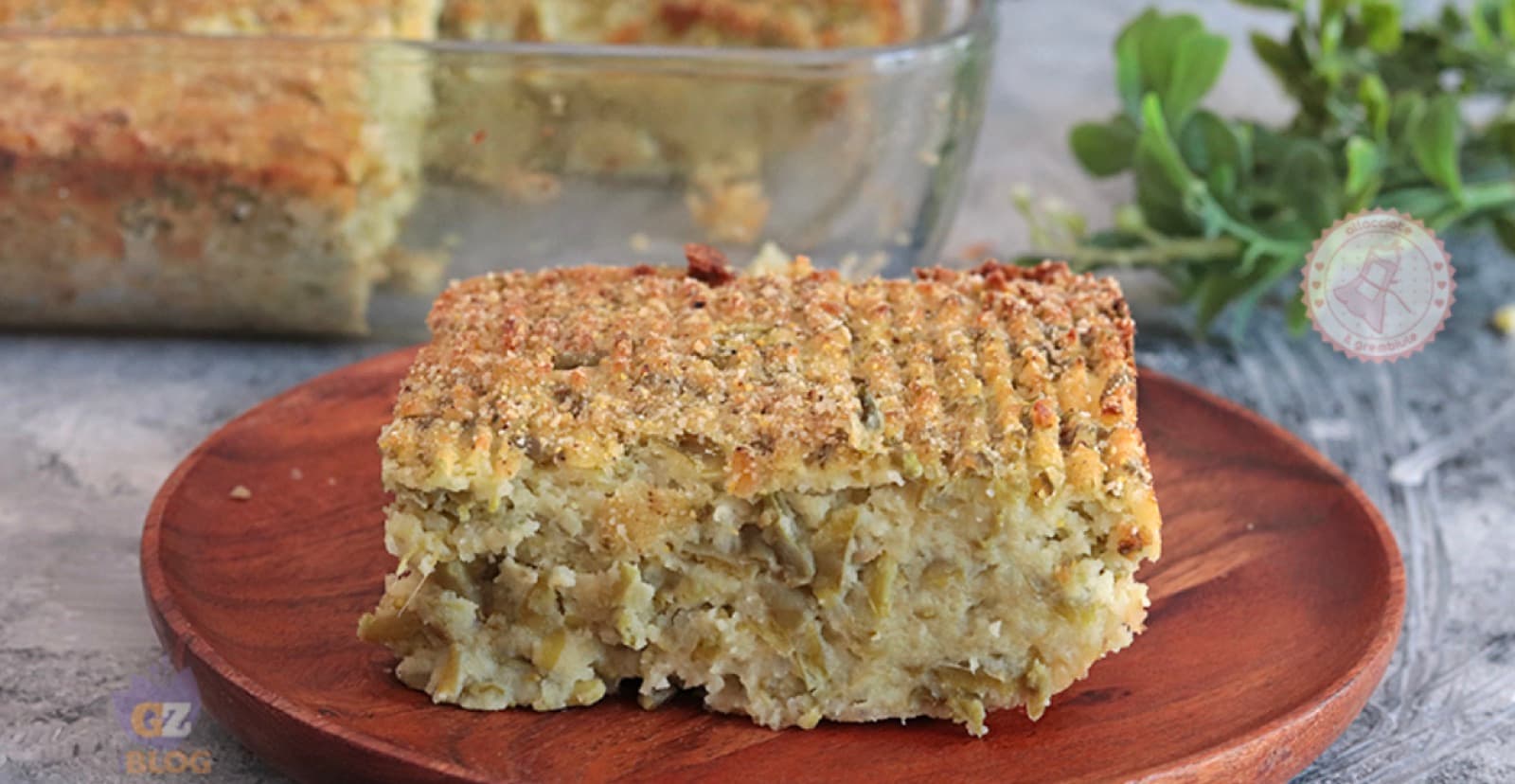
Polpettone di Patate e Fagiolini
Baked greens, no meat
Despite the name, no meat — green beans and potato, baked golden.